
Conscious Relationship Guide
Conscious relationships are when we bring intention and awareness to our romantic partnerships.
Many of us move through our relationships on auto-pilot and repeat the same patterns, fights, and frustrations for years until we either lose hope or give up. As with most things in life, relationships take work and by bringing awareness to our partnerships, they can be one of our greatest teachers. The truth is no one can complete you and you are responsible for your own wants and needs, even while in a relationship.
Learning to be in a conscious relationship involves taking responsibility for your own wants and needs, being a loving and appreciative partner, communicating clearly and effectively, and creating boundaries. Many people aren’t taught how to be a conscious partner, so below are some suggestions on how to start moving from stuck to a growing relationship.
Communication Tips:
When communicating with your partner, try to communicate how you are feeling when you are calm, centered, and grounded.
If you are feeling angry, sad, etc. remove yourself from the conversation and do some breathing exercises or take a walk. Problems rarely get resolved when emotions are running high.
When possible you I feel statements.
For example: I feel frustrated when you work late and don’t communicate with me when you will be home.
Also, you could try to use the IMAGO dialogue. To learn more, listen to Episode 6: Conscious Relationships or read Getting the Love You Want by Harville Hendrix & Helen LaKelly Hunt
It’s okay to not resolve everything in the same day. Sometimes a good night’s sleep can bring a new perspective.
If you find yourself frustrated, ask yourself if there was a boundary of yours that was crossed or if you need to communicate a boundary clearly.
Journal Prompts:
Here are some journal suggestions for creating a conscious relationship. Allow yourself to free-write. Don’t filter yourself. If needed, set a timer for 5-10 minutes and just write. After the timer goes off, reread what you wrote and see if there’s any new insights.
What about my partner reminds me of my parents or my childhood caregivers?
This list could consist of things you love about your partner, as well as things that trigger you. The purpose of this journal prompt is to bring awareness to why you may have attracted your partner into your life and what makes you feel safe and what may still need to be healed.
What am I looking for in my relationship that is missing? Is this something only my partner can give me or is this something I could be doing for myself as well?
Are there any boundaries that I need to set to feel more safe, loved, or seen in my relationship?
When do I feel the most loved with my partner? Is there a way to cultivate more of this?
When do I feel the most friction with my partner? Have I clearly communicated why this is?
What is my ideal date night?
Exercises and Activities to Try:
Write a Partner Appreciation List.
Everyday write ten things you really appreciate about your partner. Do this every day for a month and then reflect on how you feel about your partner.
Create a weekly or bi-weekly meeting with your partner.
Put a weekly or bi-weekly time on the calendar to discuss your relationship with your partner. Having a time on the calendar helps both partners to remain intentional and creates a safe space to discuss problems and frustrations. Practice using I feel statements during these meetings.
Plan a surprise for your partner and ask your partner to plan a surprise for you.
Often when we are in long term relationships, we can get into habits and routines. Adding in weekly or bi-weekly surprises makes our partnerships feel new and exciting.
Plan a date night.
Try to plan at least one date night a month. This is harder when we have children, but it’s still important to get alone time with our partners and to forget about chores and household duties. Pick one night a week or month to take work off, hire a babysitter if needed, and spend the night with your partner.
Read a Relationship Book together
For suggestions, check out my Self-Help Book Recommendations List.
If you haven’t already, listen to 06: Conscious Relationship Advice: How to Let Go of Control & Codependency in Relationships to learn more about conscious relationships.
Have more questions about conscious partnerships? Fill out the Ask a Question Form for a chance for your question to be answered on the podcast.
Other Blog Posts:

These are 50 affirmations to assist you on the healing journey. You can pick one to work with, you can work with them all, or if none of these resonate, begin to think about what you do want to affirm about yourself and write your own!
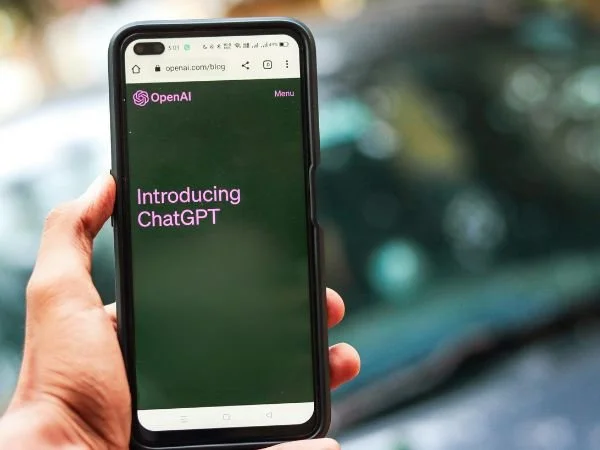
Everyone wants to feel validated. It’s human nature to want to feel accepted by others. We all want to know that how we think, feel, and act is justified. We don’t want to feel crazy or alone. In the age of AI, instant validation is quite literally in the palm of our hand.

You're not failing at your healing journey. You're drowning in information overload. It’s no secret that healing is trending. With an abundance of resources combined with the accessibility of social media, there’s never been a better opportunity for personal growth. But healing isn’t a “gotta catch ‘em all” process.

Grounding is a very helpful practice that can support you throughout your healing journey. Grounding refers to techniques that help us reconnect with the present moment, especially when we feel anxious, overwhelmed, or triggered. It’s also useful when negative flashbacks, unwanted memories, or stressful thoughts arise.

The roller coaster of relationships in your 20s is quite the ride. As someone deep in my healing journey for almost five years, it’s been interesting to reflect on. From partners to family to friends, so much changes - including yourself.

Long-term grief - It’s been over 10 years since my dad died, and the grief is still present. This is how I would describe my grieving process after 12 years without him. Sometimes I think I understand the cycles of grief.

Attachment issues have been a popular interest in the healing space over the past several years. While it’s great that we’re now aware of the topic and its effect on our behavior, we seem to be reaching a counterintuitive level of awareness. They’ve almost become a part of our identity. Instead of using them to understand each other, we’re using them to remain misunderstood.

As a survivor of rape, I wrote these gentle affirmations to support your journey healing from sexual assault and rape. Healing takes time, self-love, and deep compassion. May these words remind you: you are worthy of feeling safe, loved, and powerful.
Check out Podcast Episodes

This is the last episode of New View Advice podcast! This is truly the end of an era for me, and I am so grateful for every single person who has ever listened to this podcast. In this episode I share my gratitude, talk a bit about my decision to end of the podcast, and I offer my last 10 pieces of advice for the journey of healing, and also life in general.

In this episode, I dive into a listener’s question about feeling conflicted between being with someone special and embracing a period of independence.We’ll explore indecision, fear of the unknown, and the pressure to make the “right” choice.

In this episode about courage I discuss - What is courage? Why is courage important for the healing journey? Why do so many of us struggle to be courageous even though we know we want to be brave? What are some steps we can take towards courage today?

In this episode, I address the rarely discussed topic of woman-to-woman sexual assault. I respond to a listener who bravely shares her story of being sexually assaulted by a coworker she trusted and saw as a close friend and mentor. We explore the painful reality that sharing a similar cultural background does not guarantee safety. I also explain what grooming looks like in the workplace, outlining its key characteristics.

Feeling exhausted, disconnected, or unsure if your job is still right for you? You’re not alone. In this episode, I answer a listener’s question about burnout at work—what it really feels like, how to recognize the signs of burnout, and how to begin healing without rushing to quit.

In this episode, I answer the question: "Why do I cry every night ever since that one man broke my heart?" I explore five possible reasons the pain still lingers—grief, the stories we tell ourselves, the impact of toxic relationships, identity loss, and old wounds that heartbreak can reopen.

Grieving the end of a friendship that turned romantic? This week I answer a listener question about the grief and confusion that comes when a close friendship becomes romantic — and then ends. Whether you're experiencing a friendship breakup, a "friends-to-lovers" heartbreak, or navigating unspoken feelings, I offer compassionate advice to help you process the pain, find closure (even if it's one-sided), and validate your emotions.

In this episode, I respond to a listener struggling with limerence and intense infatuation for their best friend—a love that feels impossible and is tangled with self-hate, shame, and depression. We dive into the power of self-love, self-compassion, and curiosity, offering practical guidance for anyone caught in obsessive thoughts or fantasies.

In this episode, I dive deep into the emotions and challenges that arise when you don’t get along with your partner’s parents—especially when toxic and hurtful behavior is in play. I answer a listener question about a difficult first meeting with a partner’s mother. I share insights on how to process the pain, anger, and fear that surface in these situations.

In this episode, I open up about the painful journey of healing from sexual violence—especially the heartbreak of not seeing your rapist held accountable. As a fellow survivor, I share how I’ve navigated a world that often protects the “nice guy” and fails survivors. We talk about validating our emotions, reclaiming our voice, why justice and healing don’t always align, and how to keep choosing ourselves. I also share practical resources, tips for finding support, and ways to reconnect with purpose after trauma.

In this episode, I dive into the tough question of when to let go of a relationship, especially when addiction is involved. We explore how even culturally accepted addictions can impact a relationship and cause real harm. I respond to a listener’s question about loving a partner who won’t change, coping when your needs aren’t being met, and the painful tension between the good moments and ongoing hurt.

In this episode, I answer a listener’s question about healing after betrayal in a long-term relationship. A year and a half ago, this listener cheated on their girlfriend, and ever since, the relationship has been continued falling apart with no signs of improvement. We explore what it really takes to rebuild trust, how betrayal reshapes both people, and when letting go might be the most compassionate choice.

Losing a friendship can be painful and unexpected. In this episode, I answer a listener’s question about how to heal after the end of a female friendship. I explore why these relationships can be difficult, how to process the loss, and why it’s okay that not all friendships last forever. I also touch on the role of childhood wounds and patterns in our connections.

In this episode, I answer a listener’s question: “How do we begin again after a major life change?” I dive into the emotions and feelings that come with starting over—whether after a breakup, moving to a new place, or losing friendships. I share my own personal stories of beginning again, from navigating unexpected loss to switching life paths more than once.

In this episode, I answer a question from a listener who is navigating heartbreak after the end of relationship where they believed they could change someone, only to realize they could not. We discuss the question – how do we let go of the potential of someone and accept the truth of the relationship?

In this episode, I answer a question from a listener who struggles to speak aloud their experience of sexual assault. I think this is a very common experience for survivors of sexual violence, and I give a few reasons why I believe it is hard for survivors to speak about their experiences of sexual trauma. I also share tools on how you can begin to share your story in ways that may feel safe for you.

In this episode, I answer my own question - what do we do when things don’t go according to plan? After a disappointing couple of week’s I found myself needing a reminder about how to pivot when faced with feeling lost and feelings of heartbreak, disappointment, and just like nothing would go my way. I discuss the challenges of suppressed memories, how to pivot after a creative “failure”, not being where I want to be, and how to find the gifts in the tough chapters of life. I also discuss self-doubt and how self-doubt can feel crippling, but you can trust yourself.

In this episode, I welcome special guest Kelly Schooner, a licensed marriage and family therapist, to discuss what is EMDR (Eye Movement Desensitization and Reprocessing) and how EMDR can help people on their healing journeys. We discuss who EMDR can help, how EMDR can help people with “big T trauma” and also “little T traumas”, the difference between suppression and repression, how EMDR can help people with ADD, and more. We also touch on the question - can you trust an EMDR memory.

In this episode, we discuss the feeling of frustration. Responding to a listener's question about feeling stuck and overwhelmed by frustration, we explore various emotions that often accompany feeling frustrated, such as anger, hopelessness, and disappointment. I talk about the importance of understanding the root causes of our frustration and offer advice on how to process and work through it.

In this episode, I answer a listener’s question about how to forgive oneself after cheating in a relationship. This listener is struggling with feelings of loneliness, sadness, and fear, and they feel as though they have to carry this burden and heavy shame by themselves.

In this episode, I delve into a listener's heartfelt question – what does it mean if I fail at love? This listener is feels like they are getting a second chance at love with an ex, and finds themselves feeling fear arise. They have been in love before and are worried they will “mess up” this new relationship. Through the episode, we explore the intricacies of love, vulnerability, and self-worth, while also emphasizing the importance of self-love and being kind to oneself on the journey to finding meaningful connections.

What do we do when life feels too good to be true? We often expect to embrace happiness when things are good, but the truth is many people struggle and feel triggered when things are going well. Many people ask themselves – is it too good to be true?

In this episode, I answer a listener’s question: Why am I scared of love? I dive into the reasons so many of us experience a fear of love, including the fear of vulnerability, childhood trauma, low self-worth, and even the anxiety that love or a relationship might be “too good to be true.”

In this episode, I explore how to overcome the fear of rejection. I answer a listener's question about struggling with the fear of rejection in love, specifically feeling frozen when it comes to asking someone out on a date. I also dive into how and why the fear of rejection can leave us feeling paralyzed, triggering the freeze response. Throughout the episode, we discuss why the fear of rejection is so overwhelming.

In this episode, I share about my own mental health struggles in 2024 and why I believe prioritizing mental health is so important. I discuss how I believe society impacts our mental health, and how I felt impacted by the 2024 election (specifically as a rape survivor), living through a pandemic, and social media.

Where is the holiday season magic? In this episode, I answer a listener question from someone feeling sad, depressed, and lonely this holiday season. I explore ways to process and accept these emotions, reconnect with your inner child to rediscover holiday magic, and practice self-love. We also discuss the importance of taking care of yourself this holiday season.

In this episode I talk about how to become comfortable with physical touch after sexual assault. Many survivors of sexual trauma struggle with sex and being touched after sexual violence. In this episode I discuss the importance of being kind to yourself, how to practice awareness and listening to your body, and reconnecting to your body .

In this episode, I answer a listener question about processing repressed memories of childhood sexual trauma and how we can learn to trust ourselves. Throughout this episode, I discuss my own experiences with repressed memories of sexual trauma. I discuss how self-doubt is common when processing repressed memories of trauma, how to listen to your body, the importance of acceptance, and how to practice gentleness with yourself throughout this process.

In this episode, I answer a question from a listener who is wondering why they still seek validation from their parents even though they already know their parents are unsupportive and are often left feeling unhappy. I discuss how so often our need for parental validation and approval is tied to deep rooted human fears, including the fear of rejection, the fear of abandonment, the fear of criticism, and the fear of being unlovable.

In this episode, I answer a question from a listener who was sexually assaulted by their biological father and is looking for guidance on how to navigate this situation and get support from their family. Navigating relationships with family and friends after sexual assault often feels scary, uncomfortable, overwhelming, and uncertain. It becomes even more complicated when the perpetrator of the abuse is intertwined within the family.